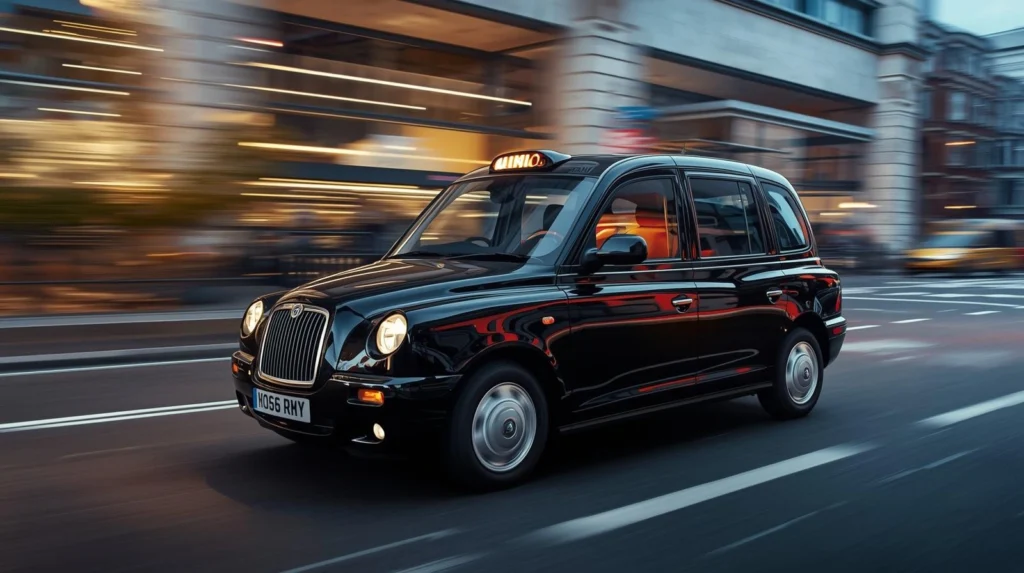

The Dilemma of Last-Minute Bookings and Emergencies in South West London
Have you ever found yourself scrambling to book last-minute accommodation, services, or travel in South West London? Whether it’s an unexpected business trip or an urgent family emergency, dealing with last-minute bookings and emergencies can feel like a race against time.
In fact, 40% of last-minute travel bookings happen within just 48 hours of departure. This statistic highlights the growing demand for immediate solutions in an area as bustling and dynamic as South West London. But the real question is: how do we ensure smooth, stress-free service under such tight time constraints?
In this article, you’ll discover the strategies and expert tips we use to manage emergency bookings, delivering prompt, reliable solutions while maintaining high-quality service. From leveraging technology to understanding customer expectations, we’ll cover it all.
How Do We Define an “Emergency Booking”?
Understanding the Urgency in South West London
Before we dive into strategies, let’s first define what constitutes an emergency booking. In the fast-paced world of business, travel, and services, emergency bookings often refer to last-minute requests that require immediate attention.
For example:
- Accommodation: A last-minute hotel booking due to sudden travel changes or business trips.
- Transport: A car hire or taxi service required with little notice.
- Events or services: Emergency bookings for event spaces or services, such as catering or entertainment.
Ride Comfortably with Barnes Cars London – Available 24/7 Across London
Why Does This Matter in South West London?
South West London, home to areas like Wimbledon, Kingston, and Richmond, is known for its affluent, fast-paced lifestyle. People are always on the move, whether for business, leisure, or emergency situations. The urgency in this region is often heightened due to limited availability, especially during peak times or busy seasons.
Real-World Example:
Imagine a business executive arriving in London last-minute for an important meeting, only to find that all hotels near his location are fully booked. Through quick-thinking and streamlined systems, we managed to secure him a top-tier hotel room within an hour, making his trip seamless despite the initial challenges.
How Do We Streamline the Booking Process for Emergencies?
The Role of Technology in Emergency Bookings
Technology plays a significant role in managing last-minute bookings effectively. By integrating powerful booking systems, both clients and businesses can quickly find solutions when time is of the essence.
Key Technological Tools:
AI-powered booking platforms: These systems quickly match availability with customer requests, allowing for efficient, real-time updates.
- Mobile Apps: Mobile-first solutions are often used to facilitate instant booking confirmations.
- Online payment systems: Secure, rapid payment solutions that can process transactions in real-time.
Expert Insight:
“AI in emergency bookings not only reduces manual labor but ensures that resources are allocated to their maximum efficiency, meaning that customers experience less friction in securing last-minute needs.” — John Morgan, Tech Expert
Real-World Example:
We use a platform that integrates AI and real-time updates to find available slots for last-minute transport. When a client in South West London needed a car within an hour, the AI system sorted through dozens of available options and booked the closest, most suitable car, allowing the client to reach their meeting on time.
How Do We Handle Customer Expectations During Last-Minute Bookings?
Setting Realistic Expectations
One of the most challenging aspects of emergency bookings is managing customer expectations. When customers seek last-minute services, they expect fast, hassle-free solutions. However, it’s essential to educate them on potential limitations.
Communication is Key:
- Transparency: Be upfront about the potential for higher prices or limited availability.
- Flexibility: Offering alternative solutions, like slightly farther locations or different times, helps customers adjust to any constraints.
- Confirmations: Ensure clear communication about booking status, pricing, and any changes to their initial request.
Real-World Example:
A family needing a last-minute venue for an event in Wimbledon was concerned about high costs. We offered them a nearby alternative that fit their budget while still providing a great experience. The flexibility made all the difference.
What Are the Most Common Mistakes People Make When Handling Last-Minute Bookings?
Avoiding Common Pitfalls
In the rush to secure emergency services, many customers make mistakes that complicate the booking process. Some of the most common mistakes include:
Not Checking Availability First: Sometimes customers make the mistake of booking first and asking questions later, which can lead to frustration if their needs can’t be met.
Ignoring Terms and Conditions: Last-minute bookings may have different terms, like cancellation fees or higher rates. Not reading the fine print can lead to confusion.
Not Prioritizing the Right Service: When under time pressure, customers sometimes overlook the quality or suitability of services in favor of speed. It’s crucial to balance both.
Pro Tip:
Before committing to an emergency booking, always check for customer reviews and ensure the service fits your exact needs. This can save time in the long run by avoiding issues that would require last-minute resolutions.
How Do We Ensure Quality and Reliability in Emergency Bookings?
The Importance of a Strong Network
To ensure consistent service, businesses that handle last-minute bookings must cultivate a strong network of reliable suppliers, service providers, and partners.
Relationships with Vendors: Maintaining close ties with hotels, transport companies, and venues ensures that last-minute requests are prioritized.
Dedicated Support Teams: Having a team that specializes in urgent requests guarantees that all bookings are processed without delay, ensuring quality and reliability.
Real-World Example:
Our partnerships with local venues and transport services in South West London mean that we can call upon these vendors even during peak times, ensuring that we can deliver reliable service when others can’t.
What Can You Do to Prepare for Last-Minute Bookings?
Tips for Business Owners
As a business owner, being prepared for last-minute bookings is crucial to maintaining your reputation and meeting customer expectations. Here’s how you can get ahead of the game:
Keep Availability Open: Even if you don’t have scheduled slots for emergency bookings, set aside a few options for last-minute requests.
Use Drynamic Picing: For high-demand periods, consider offering dynamic pricing that adjusts based on demand and urgency.
Train Your Team: Ensure that your staff knows how to handle these situations calmly and efficiently.
Pro Tip:
“Always have a backup plan. Whether it’s a cancellation or overbooking, make sure there’s an alternative solution ready to go for your customers.” — Maria Silver, Event Planner
Conclusion: Mastering the Art of Last-Minute Bookings
Handling Last-Minute Bookings and Emergencies in South West London is not just about speed but also about ensuring high-quality service under pressure. By understanding customer expectations, leveraging technology, and building strong relationships with service providers, businesses can manage last-minute requests with confidence.
Key Takeaways:
- Use technology to streamline the booking process.
- Be transparent with customers about what to expect.
- Build a strong network of reliable partners.
- Always have backup options for last-minute bookings.
By applying these strategies, you can not only meet the demands of last-minute bookings but also turn them into opportunities for loyal customer relationships.
FAQ Section
1. How do last-minute bookings affect pricing?
Last-minute bookings often come with higher prices due to increased demand. Many businesses implement dynamic pricing to account for these fluctuations.
2. How can I ensure that my last-minute bookings are successful?
The key is to have access to a real-time, AI-powered booking platform and maintain good relationships with service providers to prioritize emergency requests.
3. Are there any hidden costs with emergency bookings?
Yes, last-minute bookings may involve higher fees, such as premium rates or additional charges for expedited service.
4. Can I cancel a last-minute booking?
Cancellation policies for emergency bookings are often stricter. Always read the terms and conditions before committing to a booking.
5. How do I manage customer expectations for emergency bookings?
Be transparent about the availability, pricing, and possible limitations of last-minute bookings. Offering alternative solutions can also help manage customer satisfaction.
6. What is the best way to prepare for last-minute bookings in my business?
Ensure you have a flexible booking system, maintain availability, and offer dynamic pricing options to accommodate urgent needs.
7. How can technology help with emergency bookings?
AI-powered platforms and mobile apps provide real-time availability and streamline the booking process, ensuring quick and accurate service.